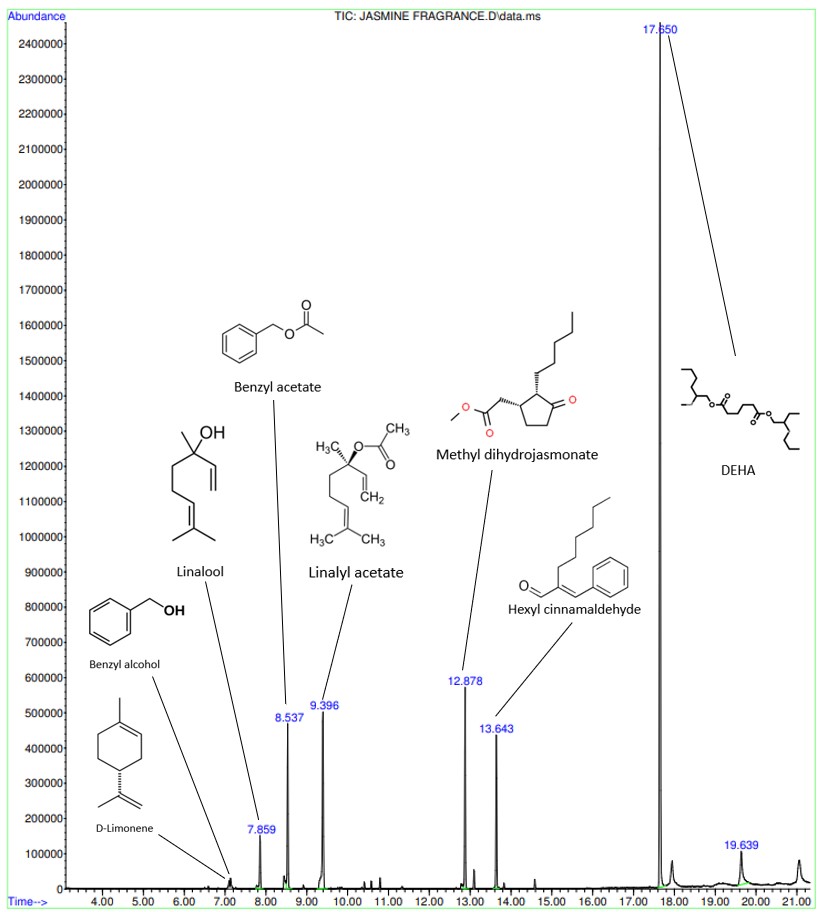
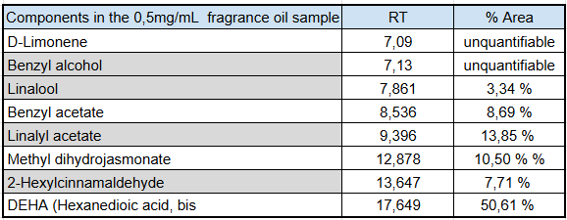
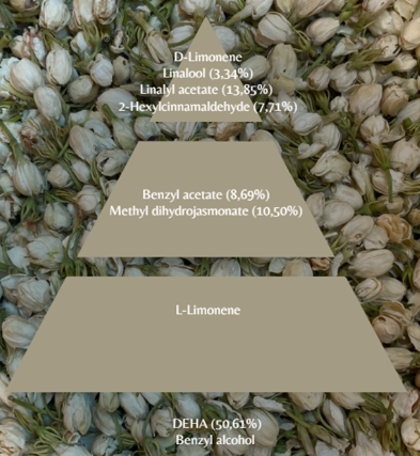
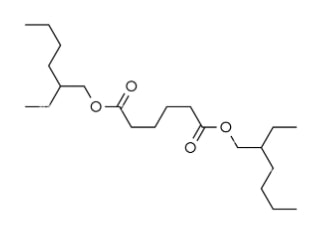
DEHA is an industrial chemical that helps to improve the flexibility and durability of the fragrance oil, ensuring that it remains stable over time. Additionally, this additive can serve as a solvent, helping to dissolve and distribute the fragrance compounds evenly throughout the oil. DEHA is also a plasticizing agent to which we can be exposed using consumer products such as PVC packaging, cosmetics or via industrial releases into the environment during production operations. Nevertheless, it is a product recognized as dangerous by international health and environmental bodies.
Because the fragrance oil comes from the Candian market, let's take a look at the Canadian health service. From December 2006 to June 2010, scientific critically studies evaluated the risks of DEHA. This became a major challenge published in the Canada Gazette on 26 September 2009, and numerous studies described on the Government of Canada website were carried out. It emerged that this chemical could migrate from food packaging into food, that high levels of exposure can cause liver, reproductive and developmental effects and that it is a persistent environmental pollutant. DEHA has therefore been shown to be carcinogenic and harmful to the environment and biological diversity. Control of this substance has been deemed to be a high priority, and it is being closely monitored through the implementation of risk management measures. Some even believe that it should be included on Health Canada's Cosmetic Ingredient Hotlist.
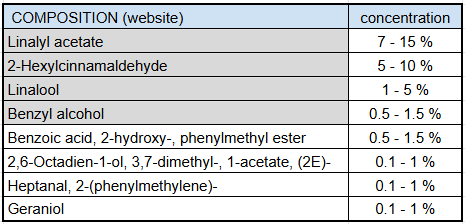
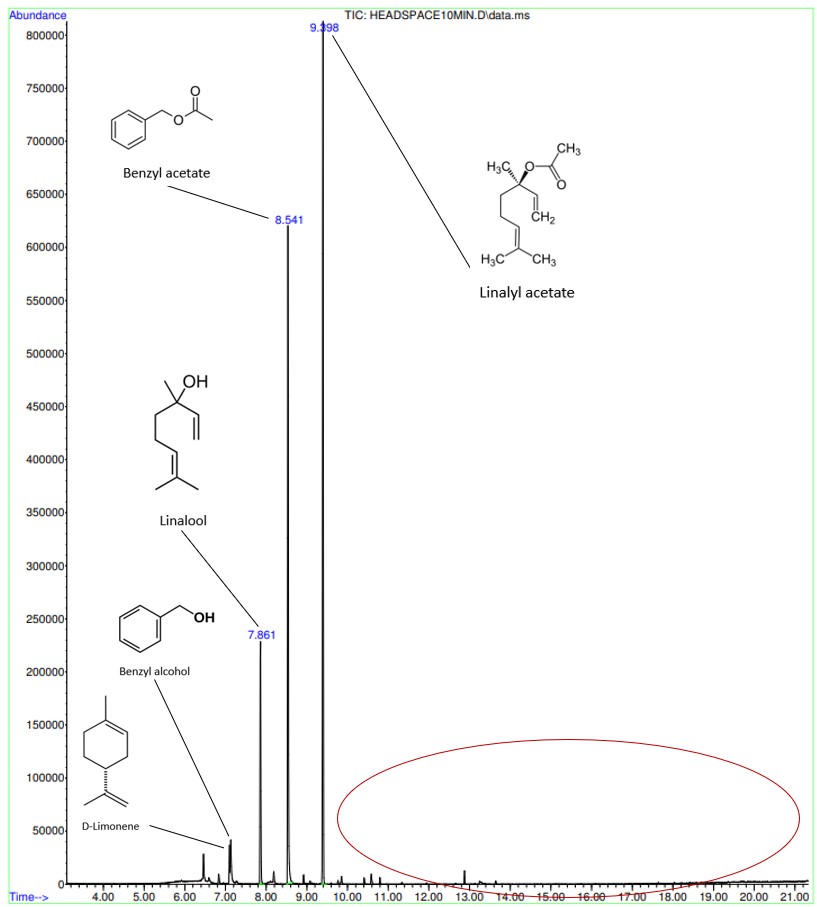
With this in mind, we can hypothized that the company does not list this toxic chemical additive to appear more ‘natural’ in order to maximize consumer confidence and protect the formulation receip from competing compagnies. Indeed DEHA is not an active ingredient for odor, it is quite likely that regulations will exempt secondary additives from the list of ingredients.